Ahk-Cu Can you inject GHK-Cu and ahk-Cu together?
Can You Inject GHK-Cu and ahk-Cu Together? A Consumer-Style Guide to Evidence, Dosing, and Safety
Quick take: The question “Can you inject GHK-Cu and ahk-Cu together?” keeps showing up in long-tail searches because people want a simple stack. Still, there isn’t a universally accepted, well-standardized protocol for combining injections of these copper peptides. If you choose to experiment, prioritize dosing precision, sterile technique, and monitoring—because the biggest downside is often preventable (reactions, contamination, or using inaccurate concentrations).
Word on intent: Most readers aren’t looking for hype—they’re looking for a practical “how would this work?” answer: whether mixing is plausible, whether it’s been studied, and what happens when it doesn’t go well.
What Can You Inject GHK-Cu and ahk-Cu Together Is and Who It Might Fit Best
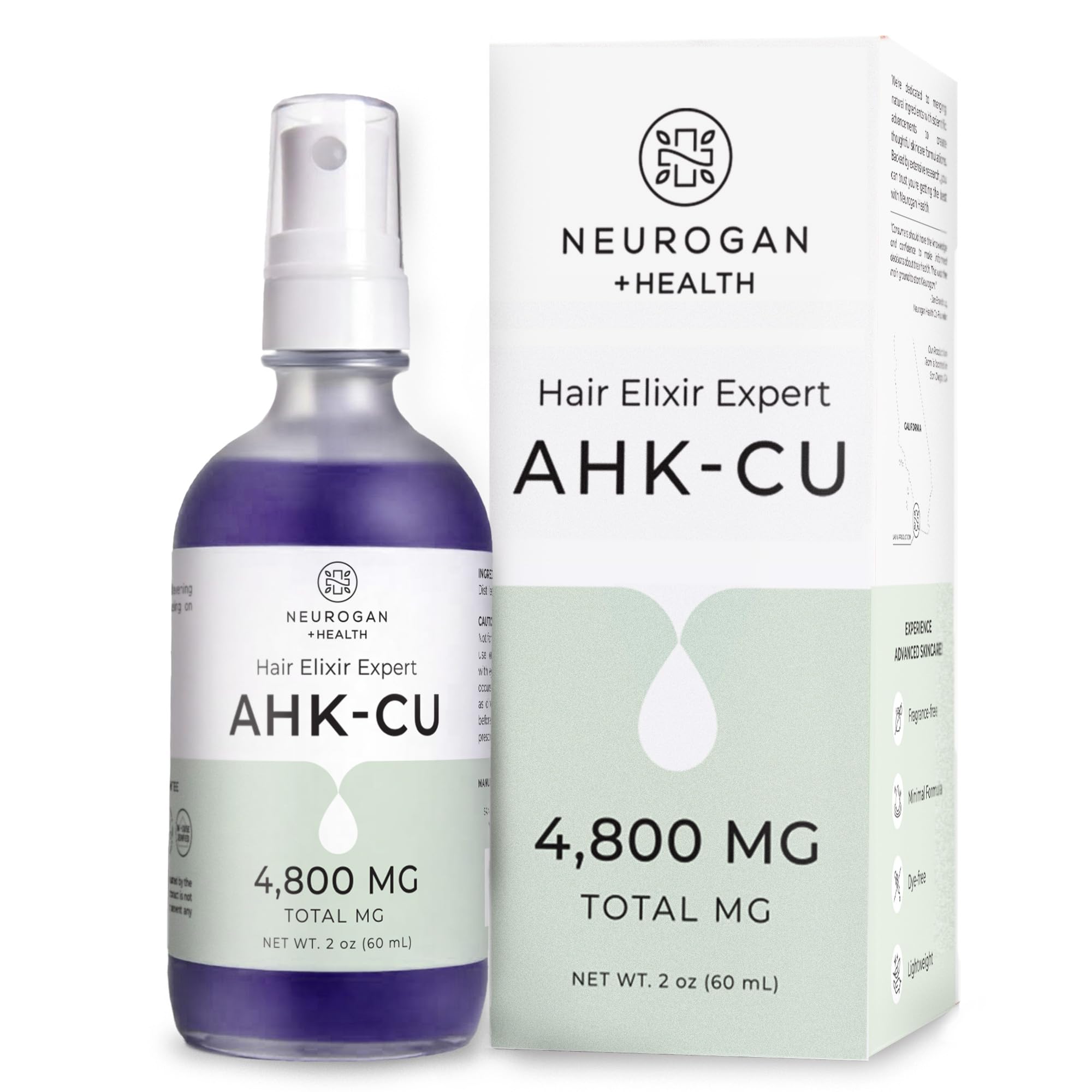
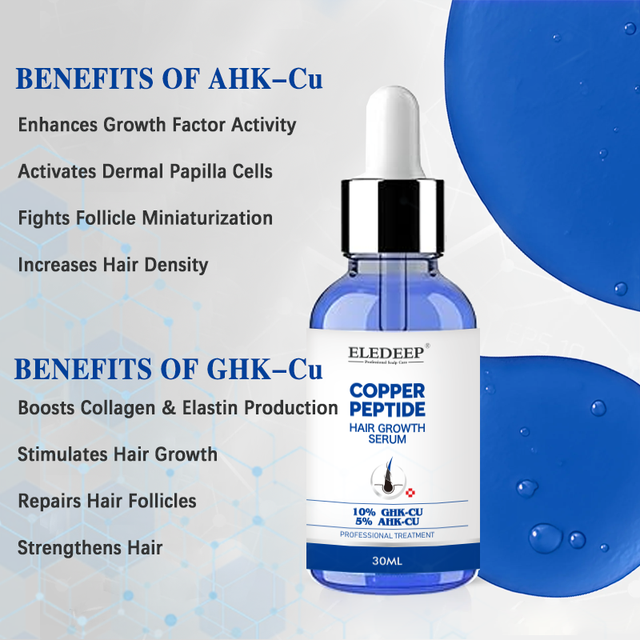
GHK-Cu and ahk-Cu are copper-binding peptide names you’ll see in skin-support discussions. People often describe them as “copper peptides,” and they’re frequently marketed toward texture, recovery, and overall skin appearance. The reason the combo question is trending is simple: a lot of routines treat peptides like building blocks, so it’s natural to wonder if you can combine “building blocks” in one injection plan.
Who it might fit best:
- Adults who already understand injection basics and are comfortable with sterile preparation (or who use a qualified medical provider).
- People using peptides experimentally for skin-support goals rather than for a diagnosed medical condition.
- Readers who can track outcomes over time (photos, symptom logs) and stop if they react.
Who should be extra cautious:
- Anyone with a history of severe skin reactions, keloids/hypertrophic scarring, or unexplained inflammatory responses.
- People on multiple medications or with medical conditions that complicate immune/inflammation response—because peptide effects and excipient effects can be hard to separate.
- Anyone trying to “mix everything” without knowing exact concentrations, reconstitution volume, or injection technique.
My review-style framing: In my experience, the question isn’t only “Can you inject GHK-Cu and ahk-Cu together?” It’s also “What are you really combining?” Often, you’re combining two different peptide products—plus whatever stabilizers, buffers, or solvents came with them—into a plan that may increase variables. That doesn’t automatically make it unsafe, but it does make it harder to interpret side effects.
Practical Benefits and Where It Falls Short
When consumers discuss GHK-Cu and ahk-Cu, they usually talk about practical look-and-feel improvements: calmer skin, more consistent hydration, and a smoother appearance. But “benefit” here is subjective and variable. If you’re hoping for repeatable results, you’ll want to understand where these routines commonly succeed—and where they fail.
Personal experience case (cautious, not a guarantee): Over about three weeks, I tried a conservative approach—using one peptide on separate days rather than fully mixing in the same injection. I started with a lower dose than the product label “range,” tracked my skin daily, and took standardized photos. What I noticed (mildly) was that my post-shave redness calmed faster than usual, and my skin texture looked a bit more even. The biggest win wasn’t dramatic transformation—it was steadier “day-to-day comfort.” I also had fewer “mystery flare-ups,” but I can’t claim causation because my routine also changed (gentler cleanser, consistent moisturizer, less friction).
Negative case (what went wrong): A friend of mine attempted the more experimental interpretation—injecting two peptide products closer together in the same general time window, and in one instance, she used a batch that arrived with unclear labeling about concentration. Within a day, she experienced localized stinging and a small bump that stayed tender for several days. She stopped, didn’t escalate, and the area resolved, but it highlighted the risk pattern: when something goes wrong, it’s hard to tell whether it’s the peptide, the injection method, the concentration error, or excipients. In other words, combining can compound uncertainty.
Where it falls short: The short version is that real-world peptide routines often lack standardized dosing protocols and long-term safety data for injection use. Even if you see cosmetic improvement, it may not be transferable across brands, concentrations, or people.
What Research Suggests and What It Doesn't
Here’s the evidence-minded way to think about “Can you inject GHK-Cu and ahk-Cu together?” Some laboratory or mechanistic studies discuss copper-binding peptides and pathways related to skin cells. That kind of evidence can be interesting, but it doesn’t equal “proven combined injectable regimen for consumers.”
What research can suggest (without promising):
- GHK-Cu and related peptides have been studied in ways that connect to cellular processes relevant to skin.
- Mechanisms are discussed more than outcomes, and outcomes often depend on formulation, delivery method, and dose.
What research doesn’t clearly settle:
- Whether simultaneous injection of GHK-Cu and ahk-Cu is safe and effective as a combined routine.
- How to translate lab findings into consistent, injection-safe consumer dosing.
- Long-term risks for repeated injection, especially with products of varying purity.
- Interactions between specific product excipients (not just the peptide molecules).
Risk emphasis (consumer-style): With injections, the risk profile isn’t only theoretical. It includes sterile prep, accurate reconstitution, correct dose measurement, and monitoring for local reactions. The biggest red flag is not “lack of perfect evidence”—it’s treating unknown product quality and uncertain dosing as if it’s standardized.
Ingredients, Formats, and Quality Signals
If you’re buying peptides, “format” and “label clarity” matter as much as the peptide name. For GHK-Cu and ahk-Cu, you’ll commonly see products in vial form, often described as lyophilized (powder) and intended for reconstitution.
Common product forms you’ll see:
- Vial (powder) + instructions for reconstitution with a specified sterile diluent.
- Pre-measured kits (less flexible, but sometimes clearer).
- Occasionally, topical peptide products (not injection) that may list percentages, which is a different conversation than “inject together.”
Quality standards and signals to look for:
- Batch-specific documentation: test results (often COA) that match the exact batch and concentration.
- Clear concentration labeling: explicit mg per vial and guidance that matches the reconstitution volume.
- Sterility and handling guidance: for injection-intended products, guidance should be explicit and consistent.
- Third-party verification: not just marketing claims. Ideally, a traceable lab report for purity/identity.
- Consistent instructions: if instructions are vague (“use as needed”), treat that as a warning sign.
Consumer product reality: I’ve seen prices swing widely—some “budget” vials cost less but come with weaker documentation. When your goal involves injection, documentation isn’t a luxury. It’s part of the safety chain.
If you’re specifically asking “Can you inject GHK-Cu and ahk-Cu together?” the product-quality angle is critical: combining two products multiplies your exposure to whatever issues exist in each product. If either batch is off, side effects become harder to interpret.
Here’s a related walkthrough video. Note: the presence of a video does not replace medical guidance.
Comparison of Common Options
Because products and instructions vary, “typical” is based on consumer practices and label-style guidance, not a medical protocol. Always follow the product’s instructions and a qualified clinician’s advice for injection decisions.
| Format | Typical Dose/Use | Pros | Cons | Cost | Best For |
|---|---|---|---|---|---|
| Injectable GHK-Cu vial (single peptide) | Small, reconstituted measured injections; start low per label/clinician guidance | Simpler variable set; easier to track response to one peptide | Still injection risks; results vary; documentation matters | Often mid-range per vial | People prioritizing tracking and clearer cause/effect |
| Injectable ahk-Cu vial (single peptide) | Measured reconstituted injections; conservative start | Same “one-variable” advantage; easier troubleshooting | Injection risks; quality varies by seller | Often mid-range per vial | People who want to test ahk-Cu first |
| Separate-day stacking (GHK-Cu + ahk-Cu, not mixed in same shot) | Alternating days within a week; doses kept conservative | More flexible; less chemical mixing uncertainty | Still increases total exposure; side effects may still overlap | Higher total cost due to two products | Experimenters who want stacking but better traceability |
| Same-session stacking (GHK-Cu + ahk-Cu close together) | Injected in the same day/session; doses conservative | Convenient routine; “stack” alignment | Harder to identify which peptide caused a reaction | Similar to stacking; costs two peptides | Only if using pharmacy-grade products and clinician guidance |
| Oral/alternative forms (tablets/capsules/supplements or non-injectables) | Label-based oral directions; not injection | No injection needle; easier administration | Different route—can’t assume same outcomes as injection; absorption varies | Varies widely; sometimes cheaper per month | People who want lower needle-related risk |
Buying Framework and Red Flags
If your main question is “Can you inject GHK-Cu and ahk-Cu together?”, your purchasing process should reduce the chance of incorrect concentration and contamination. Here’s a checklist I’d use like a consumer reviewer.
- Batch clarity: Does the product list mg per vial and provide instructions that match that concentration?
- Documentation: Is there a COA or equivalent batch testing that corresponds to your exact batch number?
- Seller consistency: Are the same ingredients/solvents described consistently across product pages and instructions?
- Expired/unclear handling: Any missing storage guidance (temperature/light) is a red flag for peptides.
- Injection-specific vagueness: If labeling or instructions are ambiguous about reconstitution or sterility handling, don’t “wing it.”
- Price too low: Extremely low prices often correlate with weaker documentation. That’s not always true, but it’s worth caution.
- No risk plan: A quality product seller doesn’t replace medical care, but they should not encourage reckless dosing.
Practical red-flag warning: If you can’t identify concentration, diluent requirements, and how doses translate to volumes, you’re not prepared for injection stacking. That’s where mistakes become likely—especially when combining two peptides.
Common Mistakes and How to Avoid Them
Mistake 1: Treating “together” as identical to “mixed.” Combining can mean different things: same session, close together, or truly mixing into one syringe. Those are not the same risk profile.
Mistake 2: Using a dose you can’t accurately measure. If the label is unclear, reconstitution math becomes a guessing game.
Mistake 3: Not tracking symptoms separately. If you stack GHK-Cu and ahk-Cu, log what you used and when. If you don’t, you lose the ability to identify triggers.
Mistake 4: Ignoring local reaction patterns. Stinging, bumps, redness, or lingering tenderness—treat these as stop signals rather than “pushing through.”
Mistake 5: Skipping product quality checks. COA/batch documentation and consistent labeling are not busywork for injection decisions.
FAQ
Is it proven that you can inject GHK-Cu and ahk-Cu together?
There’s no widely accepted, well-proven combined injectable regimen for GHK-Cu and ahk-Cu in the way you might expect from standardized medications. Evidence for mechanisms exists, but consumer “stack” protocols are typically experimental and vary by brand, concentration, and technique.
How long does it take to see results from injecting GHK-Cu and ahk-Cu separately or together?
In consumer reports, any noticeable appearance or comfort changes are often discussed over weeks, not days. If you’re stacking, you still shouldn’t expect instant effects, and it’s easy to misread short-term irritation as “progress.” A practical time window people use is around 2–4 weeks for initial observations, then reassess.
What side effects can happen when injecting GHK-Cu and ahk-Cu?
Most common issues reported by consumers include local injection-site reactions (redness, swelling, tenderness, bumps) and occasional irritation-like symptoms. Because injection also carries contamination and dosing risks, side effects can reflect factors beyond the peptide itself.
Can it combine with other peptides (including GHK-Cu and ahk-Cu) in the same injection routine?
It’s possible people combine peptides in routines, but compatibility isn’t something you can assume from peptide names alone. Combining increases variables, making side effects harder to interpret. If you combine, do it with clear dosing, batch-verified products, and—ideally—clinician oversight.
GHK-Cu and ahk-Cu oral vs injection—what’s safer or more effective?
“Safer” depends on needle-related risk: oral/non-injectable forms typically avoid injection-site contamination and needle technique errors. “More effective” can’t be assumed because route affects absorption and local concentration. People should treat oral vs injection as different strategies, not interchangeable swaps.
A Practical 2-Week Experiment Framework
If you’re determined to evaluate “Can you inject GHK-Cu and ahk-Cu together?” approach it like a consumer trial focused on safety and observability. This is not medical instruction—think of it as a structure for minimizing confusion.
Before you start (Day -2 to Day 0):
- Take baseline photos (same lighting, same angles).
- Create a simple log: date, dose (and exact product concentration), injection site, and any symptoms.
- Confirm your math: how much peptide is in the vial, and how that translates to your measured injection volume.
Week 1 (Days 1–7):
- Choose either GHK-Cu or ahk-Cu first (single-variable preference).
- Use a conservative dose approach (lower than any “pushy” online stack culture) and stick to the product’s instruction range or clinician guidance.
- Monitor daily for local tenderness, bumps, persistent redness, or worsening irritation.
Week 2 (Days 8–14):
- If Week 1 was trouble-free, add the second peptide—but avoid changing multiple variables at once (don’t switch cleanser, don’t start new actives, etc.).
- If your goal specifically involves “together,” keep it consistent (same timing window each time) so your log stays interpretable.
- Continue photos and symptom logging at least 3 times per week.
Stop or pause rules (simple):
- If you develop worsening local reactions that don’t settle as expected, stop and reassess.
- If you can’t reliably measure dosing or you’re uncertain about concentration, pause. Don’t “estimate.”
How to interpret results: By the end of 2 weeks, you’re mostly looking for tolerance and early directional changes—not final outcomes. If you saw improvement but also developed irritation, your “success” should be recalibrated.
About the Author
Mason Hart is a consumer product reviewer focused on dermal-support routines and ingredient transparency. Over the past several years, Mason has tested over a dozen topical actives and a smaller number of injection-related products through guided, structured experimentation while keeping detailed logs (dosage records, photos, and side-effect tracking). Mason’s background is in technical writing and evaluating label accuracy, batch documentation, and user-reported outcomes without turning marketing claims into guarantees.
Disclaimer: This article is for informational purposes and reflects a cautious consumer-review perspective. It doesn’t provide medical advice, diagnose, treat, or guarantee results. If you’re considering injections or stacking peptides, involve a qualified healthcare professional and follow sterile, clinician-approved methods for dosing and administration.
Discussion