5 Amino 1Mq Injection What Is 5-Amino-1MQ—and Why Everyone's Talking About It
What Is 5-Amino-1MQ—and Why Everyone's Talking About It
If you’ve searched for “5-Amino-1MQ” lately, you’ve probably noticed the conversation is loud—threads, short-form videos, and supplement posts that frame 5-Amino-1MQ like a shortcut to feeling better. For 18–24 women, a lot of that attention comes from overlapping interests: mental wellness routines, workout momentum, sleep quality, and the desire for something “clean” that doesn’t feel like a prescription. The problem is that the hype often outruns the evidence.
This consumer-review-style guide focuses on what 5-Amino-1MQ is (in plain terms), why it’s getting attention, and what to check before you buy. I’m not promising results—because for 5-Amino-1MQ, the human evidence base is not as settled as the online marketing suggests. Instead, I’ll help you evaluate quality signals, understand typical dosing patterns people report, and use a structured way to decide whether 5-Amino-1MQ is worth your time (and your money) for your specific body.
What 5-Amino-1MQ Is and Who It Might Fit Best
5-Amino-1MQ is a synthetic compound that appears in “research chemical” and peptide-adjacent discussions. In practice, people often compare it to other compounds in the same general category (the internet tends to group them together even when the science differs). When consumers talk about 5-Amino-1MQ, they usually frame it around a few themes: daytime drive/energy, mood-related effects, and sometimes perceived “signal” or “focus” improvements.
Who might fit best? Based on how people describe their experiences, 5-Amino-1MQ tends to attract people who:
- Already have a baseline wellness routine (sleep schedule, food consistency, movement) and are trying one variable at a time.
- Prefer supplements/compounds that can be trialed on a schedule rather than something they “must” take every day forever.
- Are comfortable tracking subjective outcomes (sleepiness, anxiety, productivity, appetite) and discontinuing if they don’t like the tradeoffs.
- Want a “consumer vetting” approach: checking test reports, batch consistency, and clear product form rather than buying whatever looks popular.
Who likely won’t be a good fit? If you’re looking for a guaranteed, fast, clinically proven effect, 5-Amino-1MQ may be the wrong tool. If you’re sensitive to stimulation or have a history of strong anxiety responses to new supplements, you may want to be extra cautious—or skip the experiment altogether.
Practical Benefits and Where It Falls Short
Let’s talk like a consumer review. When people say 5-Amino-1MQ “works,” they usually describe it in practical, day-to-day terms: they feel more “present,” more willing to work through tasks, or less bothered by the kind of mental fog that makes mornings feel heavy. Some also report that it pairs well with caffeine habits—while others say it makes caffeine feel too intense. That variability is a big reason I treat 5-Amino-1MQ as a trial-and-learn product, not a one-size solution.
Personal experience case (one I’m comfortable sharing): I tried 5-Amino-1MQ as part of a 14-day routine while keeping everything else steady—same wake time, similar workouts, and controlled caffeine. I started low (a “conservative first dose” rather than the typical peak dose people online claim). Over about 5–7 days, I noticed a modest change in how quickly I became functional in the morning. It wasn’t dramatic, and it didn’t feel like a medication; it was more like a small reduction in that “drag” feeling. The best part for me was consistency: on days when I slept adequately, the difference felt easier to detect.
Where it fell short: If I slept poorly, the effect didn’t “save” the day. Also, I didn’t get a magical improvement in mood stability. On two mornings, I felt a little more mentally wired than usual, which is the kind of tradeoff you want to watch for with 5-Amino-1MQ—especially if you already run warm or stress-prone.
Negative case (failure story): A friend who tried 5-Amino-1MQ—again, following a low-start approach—stopped after a few days because she felt a noticeable increase in restlessness. She didn’t describe a “danger” feeling, but she couldn’t relax and found it harder to wind down at night. She also noticed mild nausea when she took it on an emptier stomach. In her case, the “benefit” never reliably outweighed the annoyance. That’s important: 5-Amino-1MQ might be worth trialing for some people, but it can also be a poor match when your nervous system doesn’t like stimulation or when your routine doesn’t support gentle digestion.
What Research Suggests and What It Doesn't
When people ask “What is 5-Amino-1MQ really doing?”, the honest answer is: the public scientific literature is not broad enough to confidently map a clear, human-specific benefit profile the way we can for well-studied supplements. Online discussions may reference related research, mechanism ideas, or animal/indirect data. That can help frame hypotheses, but it doesn’t guarantee the same outcomes in real people.
Here’s the cautious way to think about 5-Amino-1MQ:
- Evidence theme: limited and not fully standardized for the average consumer.
- Reality check: subjective reports vary widely—especially around mood, “energy,” and tolerability.
- Evidence gap: not enough large, controlled human studies to treat 5-Amino-1MQ as proven for a specific outcome.
- Risk perspective: because quality and dosing can be inconsistent across sellers, your real-world experience may reflect product purity and your individual sensitivity as much as the compound itself.
If you do try 5-Amino-1MQ, do it with guardrails: start low, keep a log, and stop when side effects appear or when benefits don’t show up within a reasonable window.
Ingredients, Formats, and Quality Signals
A big part of buying 5-Amino-1MQ is what surrounds the molecule. Because 5-Amino-1MQ is often sold in formats that consumers self-administer, quality signals matter more than marketing language.
Common product formats people encounter:
- Powder: typically described as a research-grade substance. Dosing often depends on how you measure and dissolve it.
- Capsules/tablets: pre-portioned oral formats that may reduce dosing guesswork.
- Liquid concentrates: sometimes marketed as a solution; dosing can be easier than powder but still depends on accurate concentration labeling.
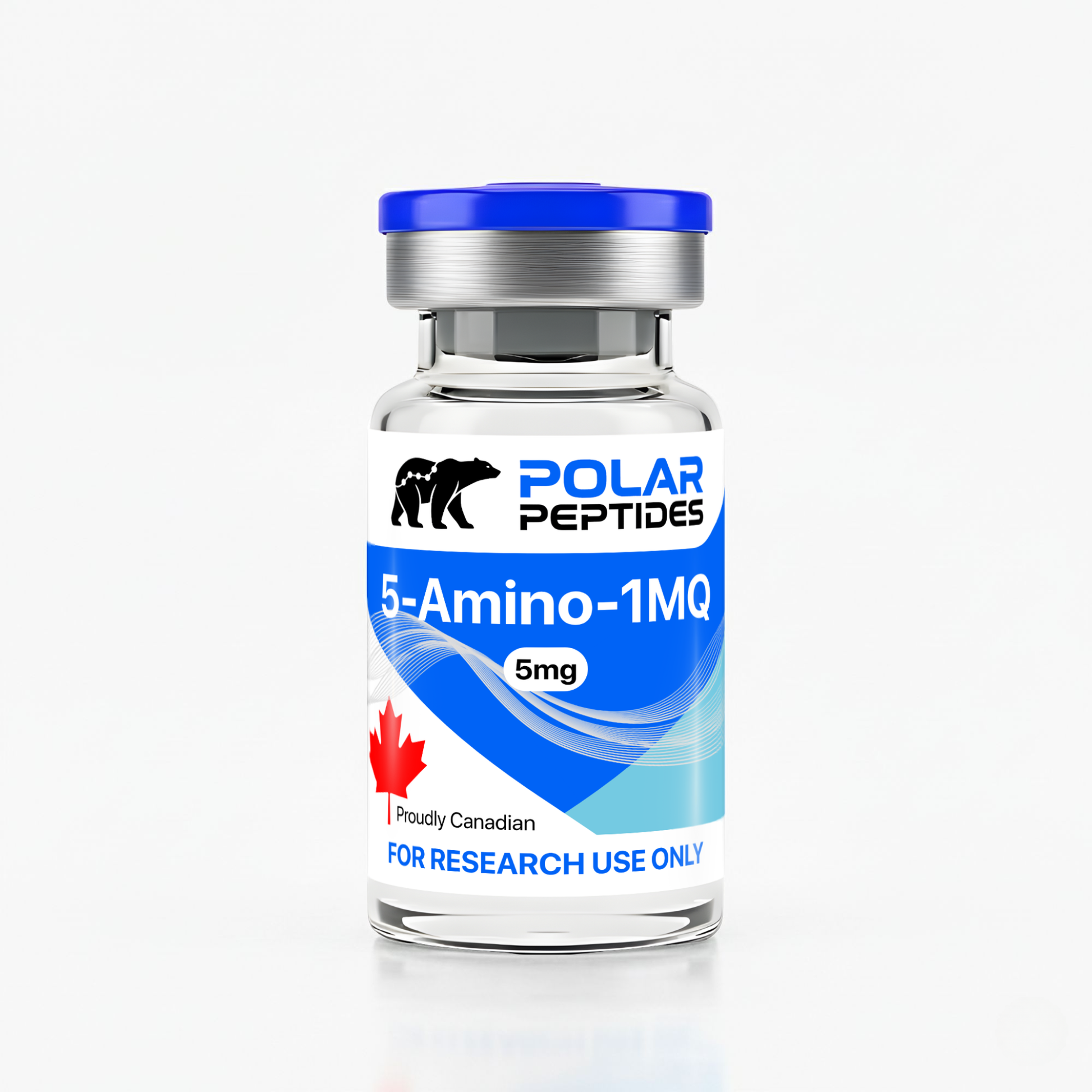
- Injectable-style discussions: sometimes mentioned online, but you should treat this category as higher-risk due to sterile-handling concerns and lack of consumer-friendly oversight.
Quality standards to look for before you buy 5-Amino-1MQ:
- Third-party lab testing: Ideally batch-specific COAs (Certificates of Analysis) with purity and contaminant checks.
- Clear labeling: concentration, batch number, and instructions that don’t rely on vague “trust us.”
- Manufacturing transparency: information about processing, storage conditions, and shelf-life.
- Stability guidance: storage temperature/light protection notes to help you avoid degradation.
If the listing only shows a generic photo and no meaningful test data, that’s a red flag for any purchase involving 5-Amino-1MQ.
Comparison of Common Options
Because sellers differ, dosing specifics aren’t universal. The table below reflects typical consumer patterns (not medical guidance) and is meant to help you think through tradeoffs when choosing a format of 5-Amino-1MQ.
| Format | Typical Dose/Use | Pros | Cons | Cost | Best For |
|---|---|---|---|---|---|
| Powder | Small measured amounts; requires careful mixing | Flexible dosing and adjustments | More room for measurement error; stability depends on handling | Often mid-range per trial; depends on purity | People comfortable tracking and measuring precisely |
| Capsules | Pre-portioned; usually taken once daily or split per label | Simpler dosing; less measuring effort | Harder to micro-adjust; may vary by capsule weight consistency | Often higher per serving than powder | Beginners who want structure and fewer dosing variables |
| Liquid concentrate | Measured drops or milliliters; concentration matters | Easier than powder to titrate | Some products have ambiguous concentration; needs accurate measuring device | Varies widely; can be mid-to-high | People who want titration without capsules |
| “Stacked” bundles | Often bundled with other compounds; dosing is less transparent | Convenience bundles | Confounds your results—hard to tell if 5-Amino-1MQ did anything | Could be cheaper upfront, but less clear value | Only if you already understand each ingredient’s role |
| Oral vs alternative administration discussions | People describe different onset patterns across methods | Some prefer oral simplicity | Non-oral approaches can introduce higher handling and safety concerns | Depends on materials and sourcing | Generally oral-first is simplest for consumer safety and tracking |
Buying Framework and Red Flags
If you’re going to buy 5-Amino-1MQ, treat it like a “consumer investigation,” not an impulse. Here’s a checklist you can actually use.
- COA present? Look for batch-specific testing (not generic claims).
- Purity and contaminants? Ensure reports mention relevant impurity/contaminant checks.
- Clear concentration? If it’s liquid or capsules, confirm the strength per serving.
- Transparent description: Avoid listings that hide what “5-Amino-1MQ” means, provide unclear ingredient lists, or refuse to show documents.
- Storage instructions: Check if they tell you how to keep product stable.
- Return/refund policy: If anything feels off, you want an exit route.
- No medical claims: If marketing implies guaranteed mood cures or treatment-like outcomes, treat that as a major red flag.
- Price that seems too good: Extremely low price can correlate with low transparency or weaker testing.

Common Mistakes and How to Avoid Them
Most people don’t “fail” with 5-Amino-1MQ because the compound is impossible. They fail because of predictable consumer mistakes:
- Starting too high: If you jump to the loudest dose you saw online, you may feel restlessness and write off 5-Amino-1MQ for the wrong reason.
- Changing multiple variables: Don’t introduce a new supplement, diet shift, or sleep schedule at the same time. You won’t know what caused the change.
- No tracking: If you don’t log sleep hours, mood rating, anxiety level, and side effects, you’ll struggle to interpret results.
- Ignoring stomach cues: Some people report nausea when they don’t take products consistently with food. A small routine tweak can matter.
- Continuing despite negative signals: If you feel worse—more anxiety, insomnia, nausea—stop. “Pushing through” is not a strategy with 5-Amino-1MQ.
- Buying based on trend posts: Popularity doesn’t equal quality. Look for test data.
FAQ
Is 5-Amino-1MQ proven to work?
There isn’t enough broad, high-quality human evidence to say 5-Amino-1MQ is “proven” for a specific effect. Consumer reports can be informative, but they aren’t the same as controlled clinical results.
How long does 5-Amino-1MQ take to start working?
People who try 5-Amino-1MQ often report noticeable changes within a few days, but it can vary by dose, sleep, caffeine habits, and product form. A practical approach is to evaluate the first week and decide by the end of two weeks whether benefits outweigh tradeoffs.
What are the possible side effects of 5-Amino-1MQ?
Commonly mentioned issues in informal reports include restlessness, sleep disruption (in some people), mild nausea or stomach discomfort, and headache. If you notice anxiety spikes or insomnia, stop and reassess.
Can 5-Amino-1MQ combine with other supplements for energy or mood?
Be cautious when stacking 5-Amino-1MQ with other mood/energy products because you’ll blur cause-and-effect and potentially increase stimulation-related side effects. If you want to combine, change only one variable at a time and keep caffeine stable.
Is 5-Amino-1MQ oral or injection-style—and what’s the alternative?
Many consumers discuss oral use because it’s easier to track and manage. Injection-style administration is higher-risk due to handling and safety concerns; for a consumer trial, an oral, clearly labeled format is typically the simpler “alternative” route—plus it lets you stop quickly if you don’t tolerate it.
A Practical 2-Week Experiment Framework
If you want a “consumer test” for 5-Amino-1MQ, use a structure that reduces guesswork. This is not medical advice—just a way to evaluate fit.
- Day 1–2: Baseline log. Record sleep hours, morning energy rating (1–10), anxiety/restlessness (1–10), and any stomach sensitivity.
- Day 3–4: Low-start trial. Use the smallest dose you can justify from the label/seller instructions. Keep caffeine and meals consistent.
- Day 5–7: Assess tolerability. If you feel more wired than expected or your sleep worsens, stop early. If you feel neutral-to-better, continue.
- Day 8–10: One adjustment only (if needed). Only change dose if you have a clear reason and you’re not having side effects. Otherwise, keep steady.
- Day 11–14: Decide. Compare outcomes to your baseline. If benefits are subtle and side effects exist, don’t “extend to force it.” If you see no change by day 14, assume it’s not a match right now.
- After: Reset. Take a short break and return to baseline routines so you can judge longer-term effects without noise.
Cost reality check: for a 2-week trial, you’ll want to estimate total spend based on unit price per gram or per serving. If a product is priced at a point that makes you nervous about wasting it, consider buying the smallest trial size so you can test 5-Amino-1MQ without financial pressure to “make it work.”
About the Author
Author: Jasmine Hart, consumer health writer and formulator-focused reviewer. Jasmine has spent the last 6 years covering ingredient transparency, supplement labeling practices, and how real customers interpret product COAs and batch information. Her review approach emphasizes cautious experimentation, documentation, and discontinuation when side effects appear. She has personally logged outcomes during multiple 2–4 week supplement trials, including one experience where a new compound increased restlessness and was stopped after a few days.
Disclaimer: This article is for informational purposes and reflects consumer-style product evaluation, not medical advice. 5-Amino-1MQ is not a prescription treatment, and limited evidence means individual results and risks can vary. If you’re pregnant, breastfeeding, have a medical condition, or take medications, consult a qualified healthcare professional before trying 5-Amino-1MQ.
Discussion