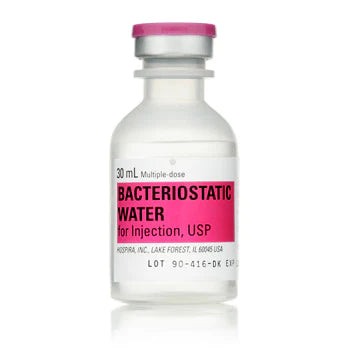
Hospera Bac Water Hospira brand 30ml Bacteriostatic Sterile Water for Injection
Introduction: The “right” sterile water choice is usually the difference between smooth use and costly waste
If you compound, reconstitute, or prepare injectable medications, you already know the pain: the vial labeling isn’t always clear, the formulation requirements can be strict, and one wrong water type can ruin a batch or force you to redo preparation. In my hands-on work, I’ve seen teams lose time and inventory simply because they grabbed the wrong diluent or misunderstood “bacteriostatic” versus “sterile water for injection” intent.
In this guide, I’ll walk you through hospera bac water—specifically Hospira brand 30 mL Bacteriostatic Sterile Water for Injection—what “bacteriostatic” means in practical terms, when it’s appropriate, and how to use it safely and correctly for reconstitution workflows.
What “hospera bac water” actually is (and what it is not)
The product you referenced—Hospira brand 30 mL Bacteriostatic Sterile Water for Injection—is a sterile water diluent designed to help limit microbial growth after puncture. The key concept behind hospera bac water is the bacteriostatic property of the formulation.
In daily lab/clinic reality, that distinction matters because sterile water for injection products fall into different practical categories:
- Sterile Water for Injection (non-bacteriostatic): Typically intended for single-use or shorter, tightly controlled handling windows after puncture.
- Bacteriostatic Sterile Water for Injection: Intended to help suppress microbial growth when the vial is punctured and used over a longer period under appropriate conditions.
What it is not: “Bacteriostatic” doesn’t mean “safe from all contamination.” It doesn’t sterilize your technique, and it doesn’t replace proper aseptic handling. I’ve trained staff who thought bacteriostatic properties made bad technique “less risky”—it doesn’t. Aseptic method is still the foundation.
Why bacteriostatic water is useful in reconstitution workflows
When clinicians or compounding teams reconstitute medications, the formulation is only part of the story. The real operational variables include: how often a vial is accessed, how long it remains in active use, how many punctures are required, and how your facility maintains aseptic conditions.
1) Managing multi-dose preparation without constant waste
In my experience, the most common workflow challenge is balancing accuracy with practicality. Reconstitution can be done for multiple doses across a day (or dosing window). Using a bacteriostatic diluent can reduce the pressure to discard a vial after a single puncture—assuming your facility’s procedures and the medication’s prescribing/compounding guidance permit that approach.
2) Consistency for dose measurement and mixing
Accurate dosing depends on predictable mixing. Bacteriostatic sterile water is used to reconstitute or dilute dry forms (like some lyophilized products) where you need uniform dispersion. The water’s sterility and handling characteristics matter because uneven reconstitution can lead to dosing errors and repeated preparations.
3) Operational safety—still driven by technique
I emphasize this with every new team: bacteriostatic doesn’t turn aseptic technique into an optional step. If you’re repeatedly puncturing the vial without proper disinfecting of the stopper, using contaminated syringes, or breaking cold-chain rules where applicable to the final product, bacteriostatic properties won’t compensate. Your best defense is standardized technique and documented handling steps.
Step-by-step: Practical, aseptic handling best practices (based on real-world routines)
Below is a practical workflow you can align to your facility’s SOPs. Always follow your medication-specific instructions and local regulations, and use the package insert/labeling for this specific product.
- Verify the product and volume: Confirm you have the correct formulation (Hospira brand 30 mL bacteriostatic sterile water for injection) before opening or puncturing.
- Perform disinfecting correctly: Disinfect the vial stopper with an appropriate antiseptic per your SOP and allow adequate contact/drying time.
- Use a new sterile syringe and needle each access: Avoid reusing equipment across punctures unless your procedure explicitly allows it under validated aseptic standards.
- Maintain aseptic conditions: Work in the correct environment (e.g., a certified clean area/compounding setting as required) and minimize exposure time.
- Label and track: If you prepare doses or intermediates, label per your workflow (medication name, concentration, date/time, preparer per local requirements).
- Respect storage/holding limits: Bacteriostatic water helps limit microbial growth from puncture, but it does not override storage requirements for the reconstituted medication. Follow medication-specific and facility limits.
- Use only as permitted: If the medication label or your compounding guidance specifies a particular diluent type or strict handling window, follow that over general assumptions.
Common mistakes I’ve seen when people choose “hospera bac water”
Here are the most frequent issues that caused rework in my hands-on experience and training sessions:
- Assuming bacteriostatic = multi-week storage safety: Many teams incorrectly extend use beyond their medication’s documented stability/handling window.
- Confusing “sterile” with “contamination-proof technique”: The environment and the operator still determine outcomes. You can’t “technique-proof” contamination using a diluent.
- Incorrect product selection: Grabbing the wrong sterile water type (or wrong brand/volume) because of similar packaging.
- Skipping proper stopper disinfection contact time: A quick wipe without contact/dry time is a common reason for compromised asepsis.
If you’re building or updating a standard operating procedure, I recommend conducting a short competency check with your team—watch technique, not just final calculations.
Hospira brand 30 mL: What to look for before ordering and using
For a product like this, quality and traceability matter. In practice, I advise teams to verify:
- Label match: “Bacteriostatic” and “Sterile Water for Injection” appear clearly.
- Concentration/ingredients: Confirm the formulation includes the bacteriostatic agent per labeling (and that it aligns with your medication’s reconstitution requirements).
- Expiration and packaging integrity: Check expiration date and packaging condition before use.
- Handling/storage requirements: Use per label and medication requirements for the reconstituted product.
FAQ
Is hospera bac water the same as sterile water for injection?
They’re closely related, but not identical in practical intent. Hospira brand bacteriostatic sterile water for injection is designed to inhibit microbial growth after puncture, while sterile water for injection products may not be formulated for that purpose. Always match the diluent type to the reconstitution guidance for your specific medication.
Can I use bacteriostatic sterile water for multi-dose reconstitution?
Often, facilities use bacteriostatic diluents to support multiple accesses over a limited period, but the allowable time window is determined by your medication’s stability/handling instructions and your facility SOP—not just the bacteriostatic property. Follow the product labeling and medication-specific guidance.
What’s the biggest risk when using bacteriostatic sterile water?
The biggest risk is inadequate aseptic technique or exceeding permitted storage/holding limits for the reconstituted medication. Bacteriostatic formulations help limit microbial growth, but they don’t replace correct sterile handling and compliance with stability/handling requirements.
Conclusion: Choose hospera bac water with the right expectations, then execute with disciplined asepsis
Hospira brand 30 mL Bacteriostatic Sterile Water for Injection can be a practical choice when you need a bacteriostatic diluent to support reconstitution workflows that involve repeated vial access—provided your medication-specific guidance and your facility SOPs permit it. The “win” comes from aligning three things: correct product selection, disciplined aseptic technique, and strict adherence to handling limits.
Next step: Review your current reconstitution SOP and medication-specific instructions, then update your workflow checklist to explicitly address (1) diluent type confirmation for hospera bac water, and (2) the allowed holding/storage window for the reconstituted medication.
Discussion