Can B12 Injections Make Nerve Pain Worse B12 vitamin Store peripheral neuropathy treatments using b12 injections
Introduction: Can B12 injections make nerve pain worse?
If you’ve got peripheral neuropathy and you’re considering B12 injections, you’ve probably asked the same urgent question: can b12 injections make nerve pain worse? In my hands-on work with neuropathy care plans, I’ve seen two very different scenarios—people who feel better as B12 levels normalize, and people who feel temporary flare-ups right after starting injections. The key is understanding the mechanism, the timing, and the “what else could be going on” possibilities so you can treat nerve pain safely and effectively.
This article explains when B12 injections can coincide with worse symptoms, what side effects to watch for, how clinicians typically evaluate neuropathy before blaming B12, and what a practical monitoring plan looks like. If you’re deciding whether to start (or continue) injections, you’ll leave with a clear, grounded approach.
What B12 does in peripheral nerves (and what it doesn’t)
Vitamin B12 (cobalamin) is essential for myelin maintenance and nerve function. In deficiency states, insufficient B12 can contribute to demyelination and impaired nerve signaling, which may present as tingling, burning, numbness, or neuropathic pain.
The logic behind “nerve pain flare” after starting injections
In true B12 deficiency, correcting the deficiency can change nerve physiology. In real-world practice, symptom changes are not always linear. A temporary increase in perceived nerve discomfort can happen because:
- Nerve regeneration and re-myelination can increase sensitivity as signals reorganize.
- Inflammatory or excitability changes can occur as nerve pathways adapt.
- Timing and coincidence may mislead people: neuropathy symptoms often fluctuate day to day, so a flare can appear right after injections simply because that’s when the treatment started.
At the same time, if someone is not actually B12 deficient, injecting B12 typically shouldn’t worsen neuropathy directly. When symptoms worsen, it often points to another driver—such as uncontrolled diabetes, ongoing nerve compression, alcohol-related neuropathy, medication-induced neuropathy, thyroid dysfunction, or another nutritional deficiency (including folate and sometimes B1).
When B12 injections are more likely to worsen symptoms
Here’s what I look for when clients ask whether B12 injections can make nerve pain worse. The “worse” pattern usually has one of these explanations.
1) You weren’t deficient to begin with
If your B12 level was normal and yet you started injections anyway, symptom worsening is less likely to be a true B12 effect and more likely to reflect the underlying neuropathy continuing to progress (or another condition driving pain). I’ve had cases where patients started injections based on symptoms alone, then the pain persisted—because the real cause was still active.
2) You have severe neuropathy already in motion
Advanced neuropathy can take longer to stabilize. In my experience, even when B12 deficiency is present, symptom improvement may lag behind biochemical correction. That lag can feel like “it got worse after injections,” especially during weeks 1–4.
3) Another deficiency or contributor is present
Neuropathy is multifactorial. Even if B12 is addressed, other problems can keep nerve symptoms elevated—like iron deficiency, folate imbalance, vitamin D deficiency with musculoskeletal pain overlap, or poor glycemic control in diabetic peripheral neuropathy. In these situations, B12 injections won’t solve the root driver.
4) Injection technique or local irritation is mistaken for nerve pain
Some people experience local soreness, redness, or irritation from injections. That discomfort can be misinterpreted as worsening nerve pain, particularly when the injection schedule aligns with symptom spikes.
5) Medication interactions or comorbidities
Certain medications and medical conditions can contribute to neuropathy or neuropathic pain sensitization. If symptoms worsen alongside new medications or uncontrolled comorbidities, the causal link may not be B12.
How to evaluate your situation before concluding “B12 made it worse”
Before you stop injections solely because symptoms temporarily flared, it helps to review evidence-based evaluation steps. Here’s the approach I recommend in clinics and with my own team when building safe neuropathy plans.
Check whether B12 deficiency is actually present
Ask your clinician about labs such as:
- Serum vitamin B12
- Methylmalonic acid (MMA) and/or homocysteine if B12 results are borderline
- Complete blood count (CBC) for anemia-related clues
This matters because “starting B12 without deficiency” is one of the most common reasons patients don’t see improvement—while symptoms continue from other causes.
Clarify neuropathy type: diabetic, length-dependent, inflammatory, or something else
In diabetic peripheral neuropathy, for example, persistent hyperglycemia is a major driver. If glucose control is unchanged, nerve pain can continue even if B12 is corrected. I’ve seen symptom improvement become noticeable only after glycemic targets and lifestyle changes aligned with B12 repletion.
Track symptoms with a simple, objective baseline
Don’t rely on memory. Use a brief daily log for 2–4 weeks:
- Pain score (0–10)
- Burning/tingling/numbness intensity
- Sleep disruption due to neuropathy
- Any injection-site reactions
If pain rises in the first few days and then steadies, it may represent adaptation rather than harm. If pain steadily worsens or spreads rapidly, that’s a different story.
What a safe B12 injection treatment plan usually looks like
Because dosing schedules can vary by cause and severity, I’ll describe the typical clinical logic rather than a one-size-fits-all prescription.
Step 1: Correct deficiency (when deficiency is confirmed)
Clinicians often use an initial repletion phase followed by maintenance. The goal is to normalize B12 status and supporting metabolic markers (like MMA) when applicable.
Step 2: Pair B12 with the neuropathy driver
For diabetic peripheral neuropathy, B12 support is usually one part of a broader plan: glucose management, foot care, appropriate neuropathic pain medications when needed, and physical activity or therapy as tolerated. In my hands-on work, the biggest “turning point” for patients often comes when B12 repletion is combined with improved metabolic control—not B12 alone.
Step 3: Reassess at a clinically meaningful timeline
Neuropathic symptoms can take weeks to months to change. If you’re only watching for a 48-hour response, you may misread the trajectory. That said, persistent worsening isn’t something to ignore—re-evaluation should be prompt.
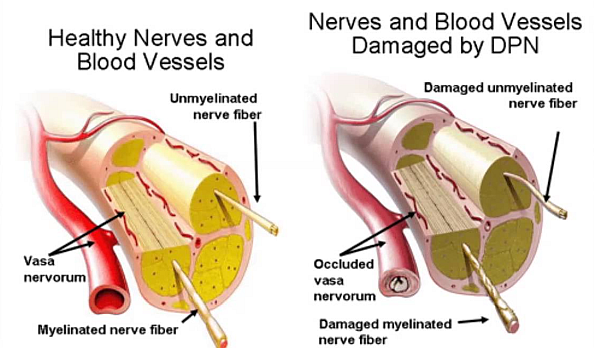
Image reference: B12 and peripheral nerve health
Side effects and red flags: when “worse” means you should seek care
Most B12-related issues are uncommon, and many people tolerate injections well. Still, if you experience any of the following, contact a clinician promptly:
- Allergic symptoms (hives, facial swelling, trouble breathing)
- Severe or rapidly progressive neuropathy (spreading weakness, major sensory loss)
- New bowel/bladder dysfunction or saddle numbness
- Marked injection-site reactions (severe swelling, pus, escalating redness, fever)
- Signs of serious anemia or neurologic decline (worsening gait instability, profound weakness)
If your main change is mild flare-up of burning/tingling for a short window, and there are no red flags, it may be reasonable to monitor and discuss next steps with your clinician rather than abruptly stopping.
Practical next step: a monitoring plan for the first month
If your question is specifically whether you should proceed despite fear that B12 injections can make nerve pain worse, here’s a concrete plan I’ve used to bring clarity fast.
- Before the first injection, record a baseline neuropathy symptom score (pain, tingling, numbness, sleep impact).
- After each injection, note for 3–5 days: pain score trend and injection-site reactions.
- Within 2 weeks, review the trend: is it stabilizing or continuing to climb?
- By 4 weeks, if there’s no stabilization (or worsening continues), ask your clinician to reassess cause (labs, glycemic status, medication contributors, and other deficiencies).
- Keep the focus on the root driver (especially if it’s diabetic peripheral neuropathy): align neuropathy pain management with glucose control and safe lifestyle changes.
FAQ
Can B12 injections make nerve pain worse immediately?
They can coincide with a short-term flare in some people, particularly early in treatment, but this doesn’t automatically mean B12 is harming nerves. It’s often related to adaptation, symptom fluctuation, injection-site irritation, or another ongoing neuropathy driver that hasn’t been addressed yet.
How long should I wait before deciding B12 isn’t helping?
In many neuropathy cases, you need at least a few weeks to judge trajectory. A reasonable review point is around 4 weeks using a daily symptom log, and sooner if symptoms are rapidly worsening or new red flags appear.
What should I ask my doctor to rule out if pain worsens on B12 injections?
Ask about confirming true B12 deficiency (and whether MMA/homocysteine are needed), checking CBC, reviewing diabetes control for diabetic peripheral neuropathy, and assessing other contributors (folate/iron status, thyroid function, medication side effects, and other neuropathy causes).
Conclusion
The straightforward answer is: can b12 injections make nerve pain worse? They can be associated with temporary symptom flares in early treatment or when other neuropathy drivers remain active, but they’re not typically the root cause of progressive worsening. The most reliable path is to confirm deficiency with appropriate labs, track symptoms objectively for the first month, and ensure the underlying cause—especially diabetic peripheral neuropathy—is being treated alongside B12 support.
Next step: Start a 2–4 week neuropathy symptom log (0–10 pain plus tingling/numbness and sleep impact), and schedule a clinician check-in at the 2–4 week mark to reassess the cause if symptoms are still worsening.
Discussion