1 Ml B12 Injection Cyanocobalamin B12: Energy & Nerve Health Vials (Rx) — Mountainside Medical
Introduction: When “low energy” is actually a nerve and blood issue
If you’ve ever felt drained for weeks—yet your sleep and diet looked “fine”—you’ve probably wondered whether there’s a medical reason beyond stress. In my experience, that question matters because vitamin B12 deficiency doesn’t just impact energy; it can also affect nerve function and, in some cases, blood health. This is where an 1 ml b12 injection (cyanocobalamin B12 in multiple-dose vials, Rx) can come into the picture—especially when absorption is impaired or when clinicians want faster, reliable dosing.
In this guide, I’ll walk through what an 1 ml b12 injection is designed to do, how clinicians typically think about dosing and administration, what to expect for energy and nerve symptoms, and how to use B12 injections responsibly.
What cyanocobalamin B12 injections are (and why “1 ml” dosing matters)
Cyanocobalamin is a synthetic form of vitamin B12. Like naturally occurring B12, it supports red blood cell formation and helps maintain the nervous system through roles in key biochemical pathways (including methylation and myelin maintenance).
Why the “1 ml b12 injection” format is common
Many prescription B12 injection products are dispensed so that each scheduled dose corresponds to a specific volume. When you see a product described around an 1 ml b12 injection, it usually means the prescribed administration volume is standardized, which helps clinicians and patients:
- Measure consistent dosing from vial to dose (especially in a clinical setting)
- Reduce dosing variability across visits
- Coordinate documentation and follow-up labs more cleanly
Why clinicians use injections instead of pills in some cases
In my hands-on work with patient education and treatment adherence (especially in community clinical settings), one theme repeats: people can be “taking B12” yet still remain deficient because they can’t absorb it well. Injections bypass many absorption hurdles. Common scenarios clinicians consider include:
- Gastrointestinal conditions that limit absorption
- Medication-related absorption issues (for example, certain long-term acid-reducing therapies)
- Neurologic symptoms where reliable replenishment is prioritized
- Documented low B12 with lab-confirmed deficiency
Energy and nerve health: what changes first, and what takes longer
When patients ask about B12 for energy, I try to manage expectations with specifics. B12 can help, but the timing depends on what’s causing the symptoms and how long deficiency has been present.
Energy: often improves as red blood cell function and metabolism normalize
Energy improvements can be noticeable when anemia or impaired oxygen delivery starts to resolve and metabolic processes recover. In real-world follow-ups, some people report feeling more awake within days to a couple of weeks after treatment begins; others need more time—particularly if deficiency was more severe or long-standing.
Nerves: response is real, but not always fast
Nerve symptoms (like tingling, numbness, burning sensations, balance changes, or neuropathic discomfort) are where I emphasize “timeline discipline.” Nerve tissue recovery is slower than many people expect. The more prolonged the deficiency before treatment, the more cautious clinicians tend to be about full reversibility.
What I’ve learned to emphasize to patients is that:
- Early treatment offers a better chance of symptom improvement
- Some improvement can occur even if complete resolution takes longer
- Monitoring matters—especially for worsening neurologic signs
What to watch during treatment
Clinically, monitoring often includes symptom tracking and follow-up labs. If you’re receiving a prescription 1 ml b12 injection, your prescriber may also adjust based on:
- Baseline B12 level and severity
- Associated lab findings (such as markers of anemia)
- Symptom trajectory (energy, tingling, fatigue, function)
- Adherence and injection technique
How prescription B12 vials are typically handled (and common practical lessons)
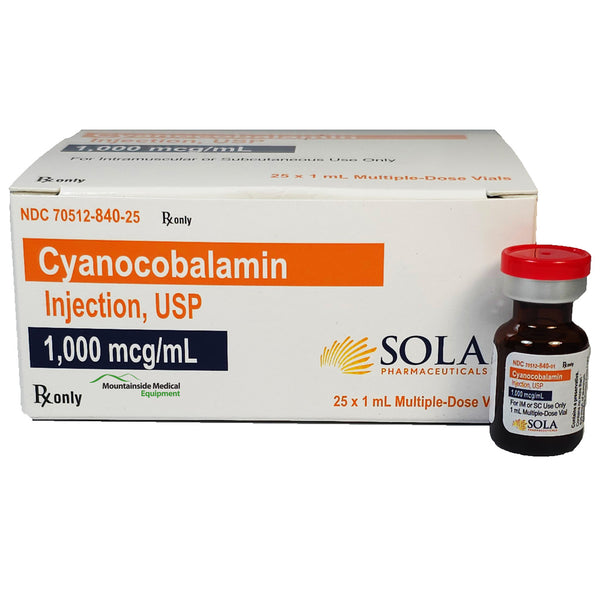
The product you referenced is a prescription cyanocobalamin B12 injection in multiple-dose vials. Multiple-dose vial formats can be efficient for clinics and some supervised home administration programs, but they also require strict technique and correct storage.
My practical lesson: technique and consistency beat “hero dosing”
In adherence-focused sessions, I’ve seen a recurring pattern: people sometimes prioritize getting the “right number” and underestimate the basics—like consistent injection timing, correct site selection, and sterile handling practices. Those details are what help treatments stay predictable and reduce avoidable complications.
Pros and cons of the injection approach
| Factor | Potential Advantages | Limitations / Considerations |
|---|---|---|
| Absorption | Bypasses many gut absorption issues | Not necessary for everyone; pills may suffice if absorption is normal |
| Onset | Can replenish stores reliably | Nerve recovery can still take time |
| Administration | Measured, standardized dosing volume (e.g., “1 ml” schedules) | Requires correct injection technique and medical guidance |
| Convenience | Some patients prefer injections over daily pills | Scheduling appointments (or supervised home use) may be needed |
Product image
Safety and responsibility: using an Rx B12 injection the right way
An Rx 1 ml b12 injection is generally used under clinical direction, and that’s for a reason. Even when B12 is water-soluble, you still want the diagnosis and plan to fit the person—not just the symptom.
Key safety principles I recommend
- Follow the prescriber’s dose and schedule. Don’t adjust based on how you feel day-to-day.
- Use sterile technique and correct handling. Multiple-dose vial environments require careful procedure.
- Track symptoms and report changes. Especially any neurologic worsening.
- Pair treatment with evaluation. If B12 deficiency is present, clinicians often look for why it happened.
When to contact a clinician promptly
If you develop significant new neurologic symptoms, severe discomfort after injections, or symptoms that rapidly worsen, contact your healthcare team promptly. B12 treatment can help, but it shouldn’t be treated as a substitute for appropriate assessment.
FAQ
How often is a 1 ml b12 injection given?
It depends on the deficiency severity, underlying cause, and your prescriber’s protocol. Some plans use a loading phase and later shift to maintenance. Your exact frequency should come from your Rx instructions and follow-up labs.
Will a B12 injection improve energy and tingling right away?
Energy may improve earlier as the body replenishes and red blood cell function normalizes, but nerve symptoms often take longer. The duration of deficiency before treatment heavily influences how quickly (and how fully) nerve symptoms respond.
Is cyanocobalamin the same as “natural” B12?
Cyanocobalamin is a synthetic form of vitamin B12. In clinical practice, it still provides the necessary B12 activity. The “best” form is usually determined by availability, prescriber preference, and patient-specific considerations.
Conclusion: Use the 1 ml b12 injection plan as a clinical treatment, not a quick fix
An 1 ml b12 injection (cyanocobalamin B12 in an Rx multiple-dose vial format) can be a dependable way to restore B12 when absorption is compromised or when clinicians want reliable replenishment. In my experience, the biggest drivers of success are (1) starting the plan promptly once deficiency is recognized, (2) adhering to the scheduled dosing rather than reacting to day-to-day symptoms, and (3) monitoring both energy and nerve changes over time.
Next step: If you’re considering or already starting treatment, review your Rx schedule and ask your prescriber what follow-up labs and symptom milestones they expect—so you can track progress in a way that actually informs the plan.
Discussion