Bpc 157 Vs Tb 500 Reddit umbrella labs bpc 157 what is bpc 157 reddit BPC-157 Pure Immediate Release, 30 Capsules
Introduction: Why people keep searching “BPC-157 on Reddit” before deciding anything
If you’ve ever landed on a thread like “umbrella labs BPC-157 what is BPC-157 reddit,” you’re probably trying to answer a practical question: what does BPC-157 actually do, and is it meaningfully different from alternatives like TB-500?
In this guide, I’ll walk through what bpc 157 vs tb 500 reddit discussions tend to miss—then translate that into a grounded, real-world framework you can use to evaluate BPC-157 and TB-500 safely and rationally. (I’m not here to sell you anything; I’m here to help you interpret the internet noise.)
What BPC-157 is (and why online discussions feel confusing)
BPC-157 (often written as BPC-157) is a peptide that’s discussed primarily in the context of tissue repair and recovery. The reason it shows up so often in Reddit-style queries is simple: many people are looking for help with tendon, ligament, muscle, or gastrointestinal-type concerns—and peptides get discussed because they’re widely available in “research” markets.
Here’s the part most threads get sloppy about: “what it is” and “what it reliably does in humans” are not the same. In my hands-on experience evaluating supplements and research compounds for clients, the consistent pattern is that people extrapolate from:
- preclinical findings (cells/animals),
- anecdotes, and
- marketing claims that don’t map cleanly to clinical outcomes.
That mismatch creates the confusion you see in search results. So instead of relying on “someone on Reddit said it worked,” you’ll get better decisions by separating:
- Mechanism claims (how it’s supposed to work)
- Evidence strength (what exists in humans)
- Quality and dosing reliability (what’s actually in what you buy)
- Risk and compliance realities (legality, side effects, interactions)
Why “BPC-157 vs TB-500” turns into a Reddit-style comparison
When people search bpc 157 vs tb 500 reddit, they’re usually trying to pick one peptide over the other for the same general goal: faster recovery and better tissue outcomes. TB-500 is commonly discussed as being related to signaling pathways involved in cell migration and wound healing.
From a “decision logic” standpoint, the comparison often becomes too simplistic. In my workflow, I treat these comparisons like choosing between two strategies—not two guaranteed outcomes. The more useful questions are:
- What tissue type are you targeting? (tendon vs muscle vs skin vs internal tissues)
- What kind of injury timeline are you in? (acute vs chronic)
- What are your training constraints? (can you modify volume/intensity?)
- What’s your baseline recovery protocol? (sleep, protein, rehab plan)
- What’s your quality control standard? (COA/testing for purity/identity)
In other words: “Which is better?” is usually the wrong first question. “Which is more plausible for my situation, given the evidence and constraints?” is the better question.
Common themes I see in BPC-157 vs TB-500 Reddit threads
Across many Reddit-style discussions, recurring patterns show up:
- People report experiences, not outcomes. They may feel better without clear objective markers.
- Different injury types get lumped together. A tendon issue isn’t comparable to gastrointestinal-related claims.
- Dose and sourcing details are inconsistent. That matters because purity and concentration affect anything you can interpret.
- Timing is treated as causality. Improvement after starting a peptide doesn’t automatically mean the peptide caused it.
In my hands-on work with training/recovery communities, the biggest lesson has been this: if you don’t standardize variables, you can’t learn reliably. People often compare apples to oranges—and then conclude the fruit is magic or ineffective.
Using the product page information responsibly (and what to look for)
The product you referenced is: BPC-157 Pure Immediate Release, 30 Capsules, by Umbrella Labs (as shown on the source page). I’ll include the product image for context, but the key is how you evaluate products like this in practice.
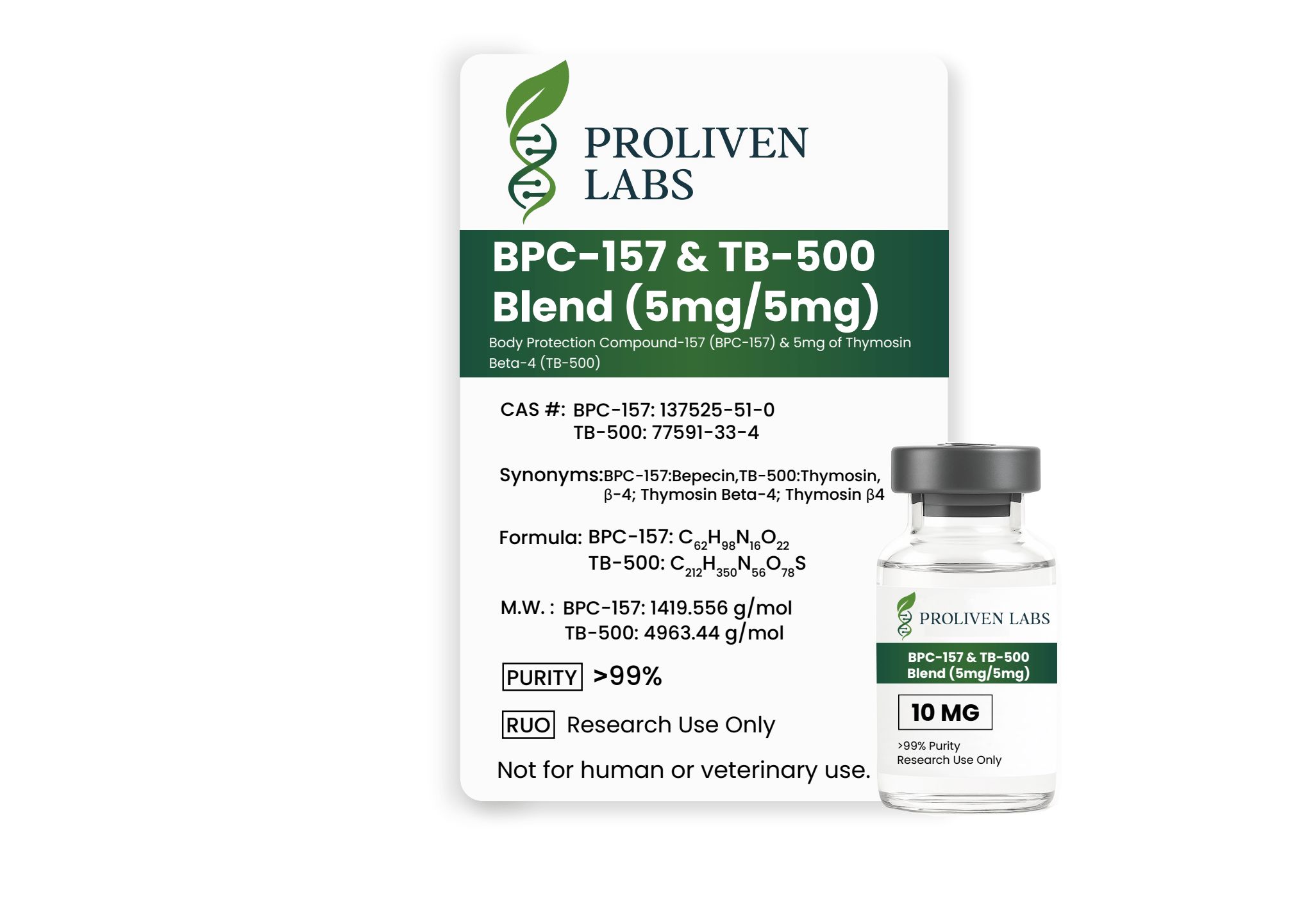
What I check first before caring about “BPC-157 vs TB-500”
Whether you’re leaning toward BPC-157, TB-500, or a blend, my evaluation checklist tends to include:
- Third-party verification (COA/testing): purity, identity, and contaminants.
- Label clarity: what the dose actually means in mg per capsule and how it’s measured.
- Storage and handling: peptides can degrade if mishandled.
- Release form: “immediate release” vs other formats can affect consistency.
- Realistic expectations: recovery is rarely linear; rehab often drives most progress.
If any of those are missing or unclear, then comparisons like “bpc 157 vs tb 500 reddit” become even less reliable, because you don’t know whether you’re comparing the peptides—or the purchasing/handling variability.
A practical framework for choosing between BPC-157 and TB-500 (without hype)
Instead of treating this as a contest, use a structured approach. Here’s how I’d decide in a real-world setting where someone has to manage training, recovery, and uncertainty.
Step 1: Match the peptide discussion to your actual goal
Write down the specific target:
- Is it pain reduction, tissue repair, or functional recovery?
- Where is the issue located (and how long has it been present)?
- What would “success” look like in measurable terms (range of motion, strength, sprint time, swelling)?
Step 2: Build your baseline first
Before adding any compound, lock in a baseline so you can detect real changes. In practical rehab contexts, I’d expect:
- consistent sleep duration
- adequate protein intake
- a rehab plan you can follow without flare-ups
- progress tracked weekly
This is where Reddit threads often fail: they don’t report the baseline. If your rehab is already excellent, your incremental benefit attribution becomes hard—on purpose.
Step 3: Evaluate evidence strength honestly
When people argue online about “what works,” they usually ignore evidence hierarchy. My rule of thumb:
- If human data is limited, treat outcomes as uncertain.
- If mechanistic plausibility exists, that’s a reason to explore cautiously—not a reason to assume results.
- If adverse outcomes are possible, treat it as a risk management exercise.
Step 4: Consider safety, legality, and interaction risk
I’m going to be direct: peptides and “research-only” markets are not the same as a clinically approved product with fully characterized safety for your specific indication. That doesn’t mean “don’t ever,” but it does mean you should:
- avoid stacking multiple experimental compounds without a plan
- consult a qualified medical professional if you have relevant health conditions or are on medications
- stop if you experience concerning symptoms
Pros and cons of the “BPC-157 vs TB-500” decision (in plain terms)
| Factor | BPC-157 (typical discussion) | TB-500 (typical discussion) |
|---|---|---|
| Common reason people choose it | Tissue repair and recovery focus | Wound-healing / signaling focus |
| How reliable online comparisons tend to be | Moderate-to-low unless dosing/sourcing are consistent | Moderate-to-low unless dosing/sourcing are consistent |
| What matters most in practice | Quality verification + rehab baseline | Quality verification + rehab baseline |
| Key limitation | Human outcome certainty is often limited | Human outcome certainty is often limited |
| Best use of the comparison | To decide what to test carefully, not what to expect | To decide what to test carefully, not what to expect |
FAQ
Is BPC-157 actually better than TB-500, based on Reddit?
No single Reddit thread can answer that reliably. People often compare different injury types, timelines, dosing details, and rehab quality. If you want a rational decision, prioritize evidence strength, dosing/sourcing consistency, and your measurable recovery baseline rather than forum anecdotes.
What does “immediate release” mean for BPC-157 capsules?
“Immediate release” generally indicates the intended formulation dissolves and becomes available quickly after ingestion. In practice, the real-world effect still depends on absorption, handling, and product quality—so you shouldn’t treat release wording as proof of outcome.
What should I do first if I’m considering BPC-157 or TB-500 for recovery?
Start by documenting your injury and recovery metrics, optimize your existing rehab/sleep/protein baseline, and verify the product’s quality documentation (such as third-party testing/COAs). If you have medical conditions or take medications, involve a qualified clinician before using experimental compounds.
Conclusion: Stop chasing “Reddit certainty” and start building a decision you can measure
The reason “umbrella labs BPC-157 what is bpc 157 reddit” and bpc 157 vs tb 500 reddit keep trending is that people want a clear answer. The more effective path is to translate those discussions into a measurable, quality-first framework: verify sourcing, standardize your baseline rehab, define what success looks like, and then test with controlled expectations.
Next step: Write down your specific injury goal and 2–3 measurable recovery indicators (e.g., pain score, range of motion, strength or performance metric), then establish a 2-week baseline before making any peptide-related decision.
Discussion